
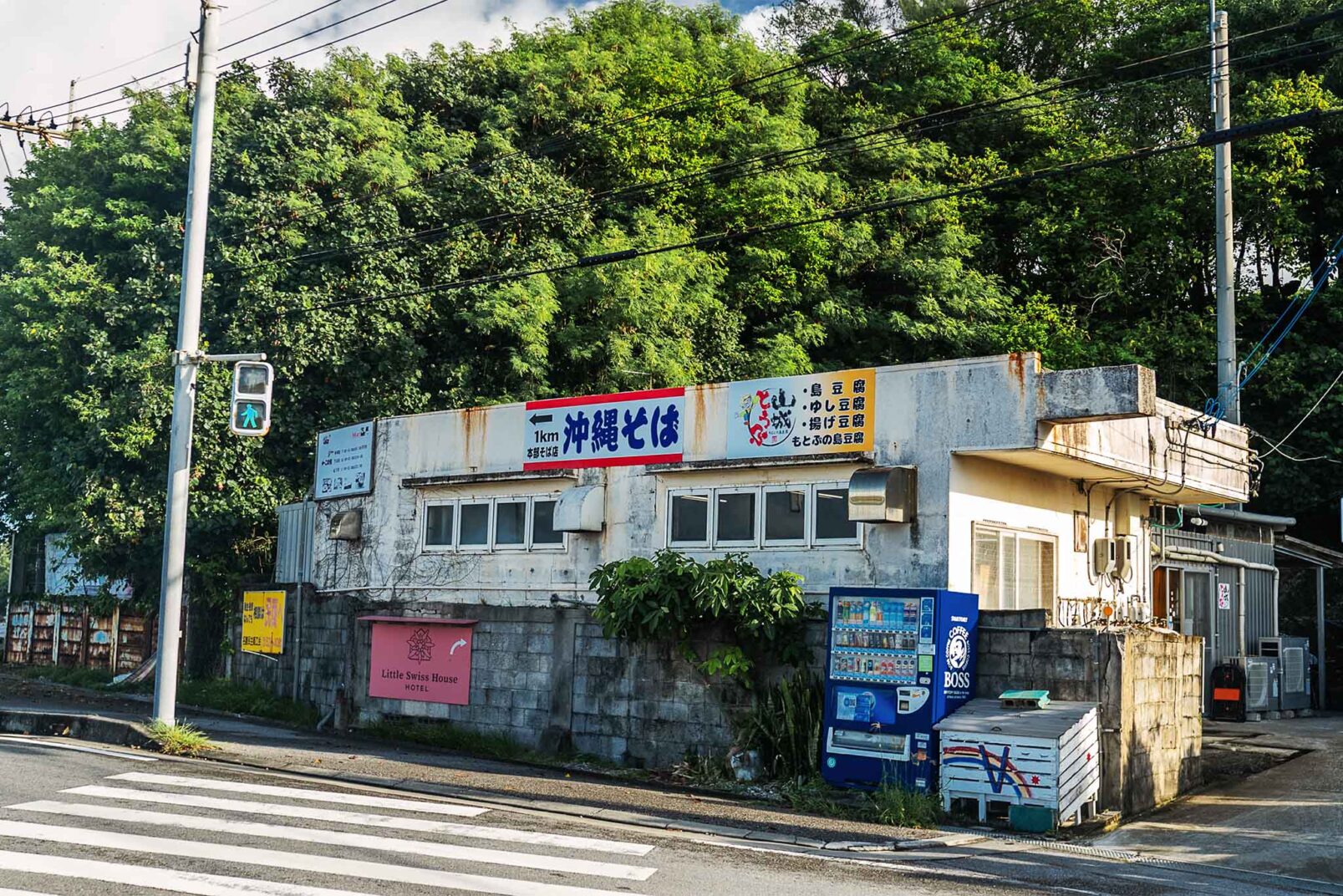
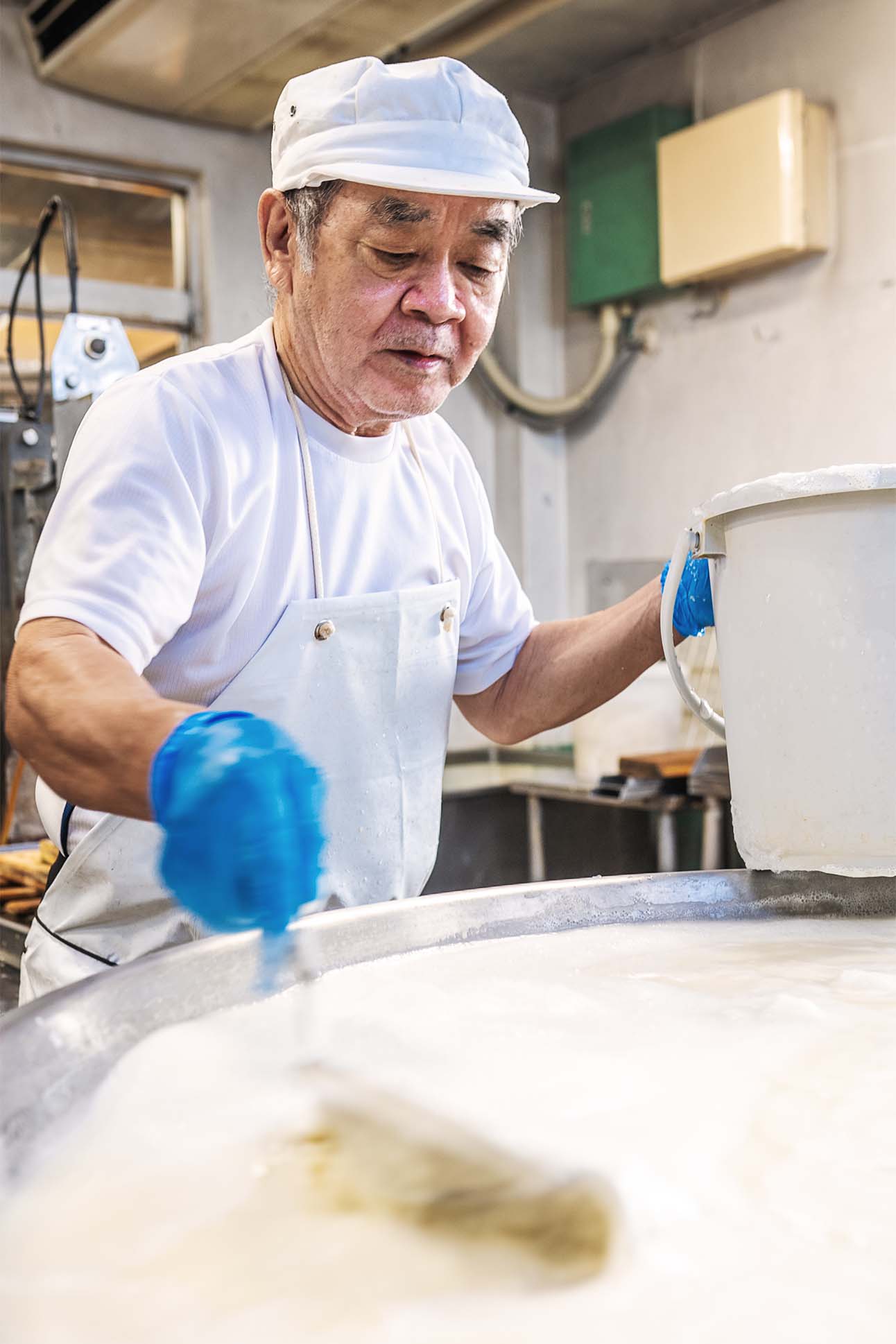
Dawn has only just begun to illuminate the windows of the Yamashiro Tofu factory in Motobu village, but 74-year-old chairman Yoshimitsu Yamashiro has already been at work for hours. He stands before a steaming vat of soy milk, scanning the bubbles forming on the surface. With an intuition honed over nearly four decades of tofu making, he watches for subtle signs that it’s time to add the coagulant and seasoning, ingredients that will transform the soy milk into the uniquely Okinawan delicacy of yushi-dōfu.
When the moment arrives, Yoshimitsu transfers some of the milk into a bucket containing nigari (a coagulant) and salt, then pours the mixture into the vat. Soon the milk begins to coagulate, its skin thickening into pillowy clouds of curd. Using a saucepan as a ladle, he gently scoops the milky-white curds into buckets to cool in a basin of water.
“You get the best texture and consistency by letting it finish cooking [off the heat], like steak continuing to cook after it’s removed from the heat,” explains Narimi Nakazato, Yoshimitsu’s daughter and CEO of the business. Narimi has spent the past several years learning the family’s small-batch tofu-making techniques, but the critical step of adding nigari and salt still rests with her father. Timing is everything: Wait too long, and the savory crust that forms inside the vat will burn, taking the flavor from delicately roasted to overly smoky. “It’s a trade secret,” Yoshimitsu chuckles, noting that he’ll eventually teach Narimi to manage this delicate task.
“Back when my mother originally ran the factory, she used seawater from the bay [instead of nigari and salt],” Yoshimitsu recalls, explaining that the water is now too polluted to use for tofu making. His mother, Tomi Yamashiro, began producing tofu in the years after World War II, when the American government distributed soybeans and other provisions to Okinawan citizens to stimulate economic recovery and local industry. At the time, at least three tofu shops operated in the Sakimotobu area; Yamashiro Tofu is the only one that remains.

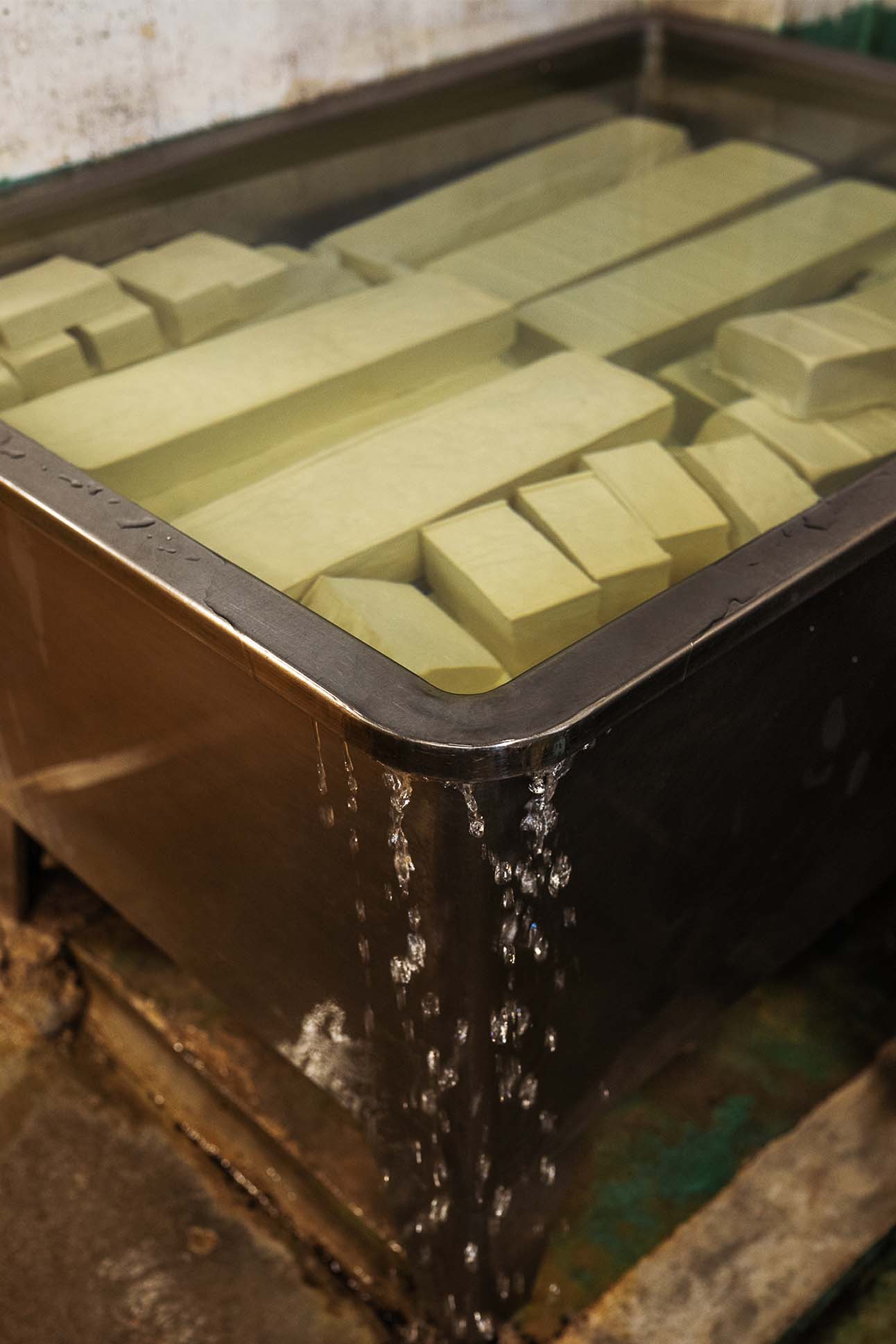
Distinct from the tofu of mainland Japan, yushi-dōfu is loose, custard-like, and eaten immediately after cooking—typically within a day. At Yamashiro Tofu, the soft curds are sold piping hot, or they’re pressed into dense, hearty shima-dōfu (island tofu). The factory also makes atsuage (deep-fried tofu), as well as raw ingredients for tofu making, and is among the few still producing traditional Okinawan-style tofu by hand.
Like all tofu, the process of making yushi-dōfu begins with soaking and grinding soybeans, then separating them into soy milk and okara, or soybean pulp. The okara is traditionally repurposed as animal feed or used in home cooking, Narimi says—but most of the time, it’s discarded.
“I grew up watching tofu being made, and I saw that a lot of okara is thrown away in the process,” says Yoshimitsu’s eldest daughter, Akino Gushiken. From a young age, Akino loved finding inventive ways to cook with tofu from her family’s factory, an interest that only deepened in adulthood. Eventually she realized she could use the okara to make muffin batter.
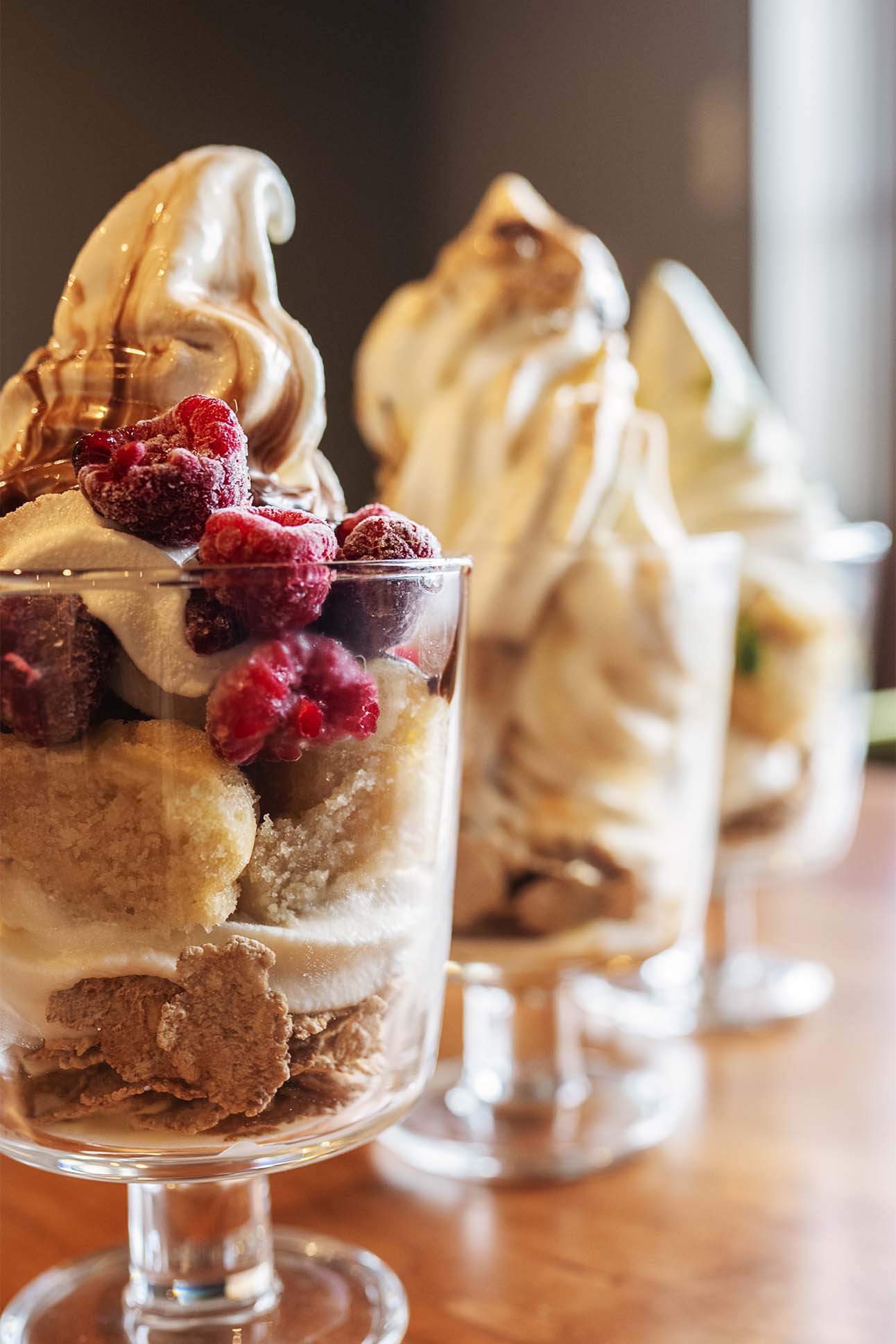
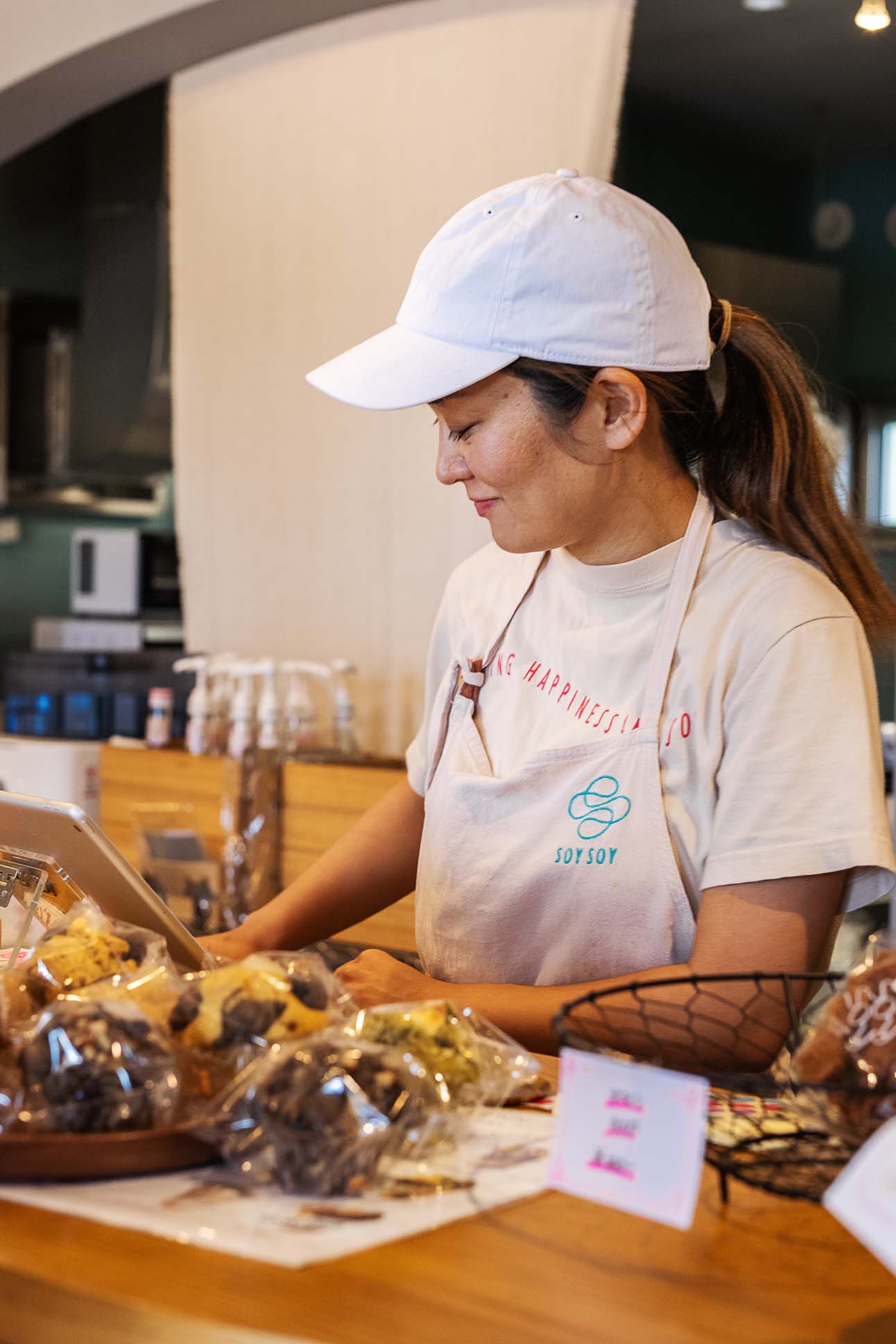
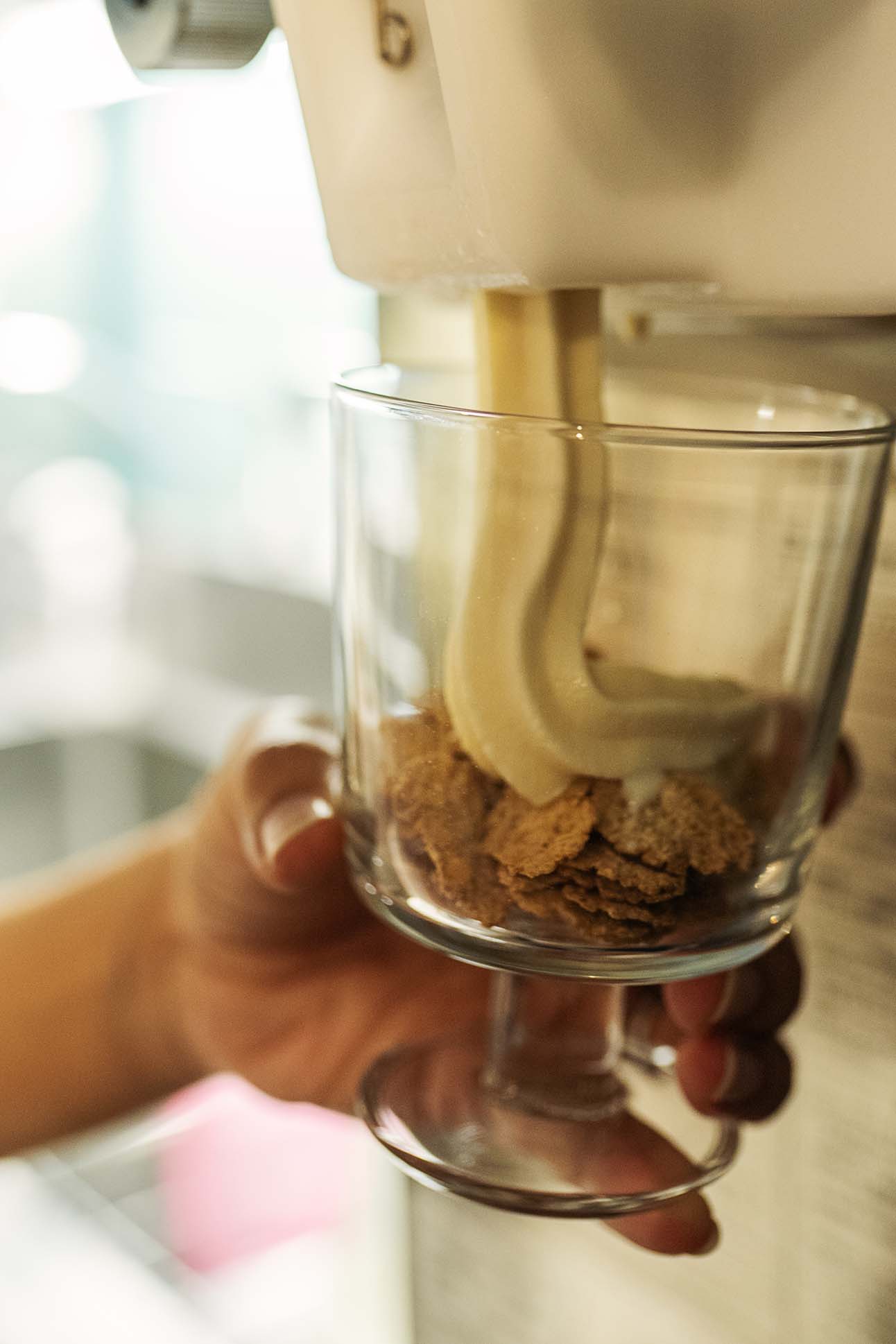
“It all started as a hobby,” Akino says of the passion that inspired her to launch Soysoy, a café and sweets shop specializing in tofu-based dishes and confections. “I found it really fun to experiment with delicious ways to use tofu, and as I kept creating different sweets and dishes, I started to feel like I wanted more people to know about the different ways tofu can be used and enjoyed.”
Since opening SOYSOY a decade ago, Akino has grown the business into three locations across the island. “As the daughter of a tofu maker, I dream of expanding internationally,” Akino says. “My dream is to share this incredibly delicious yushi-dōfu—Okinawa’s soul food—with the world.”
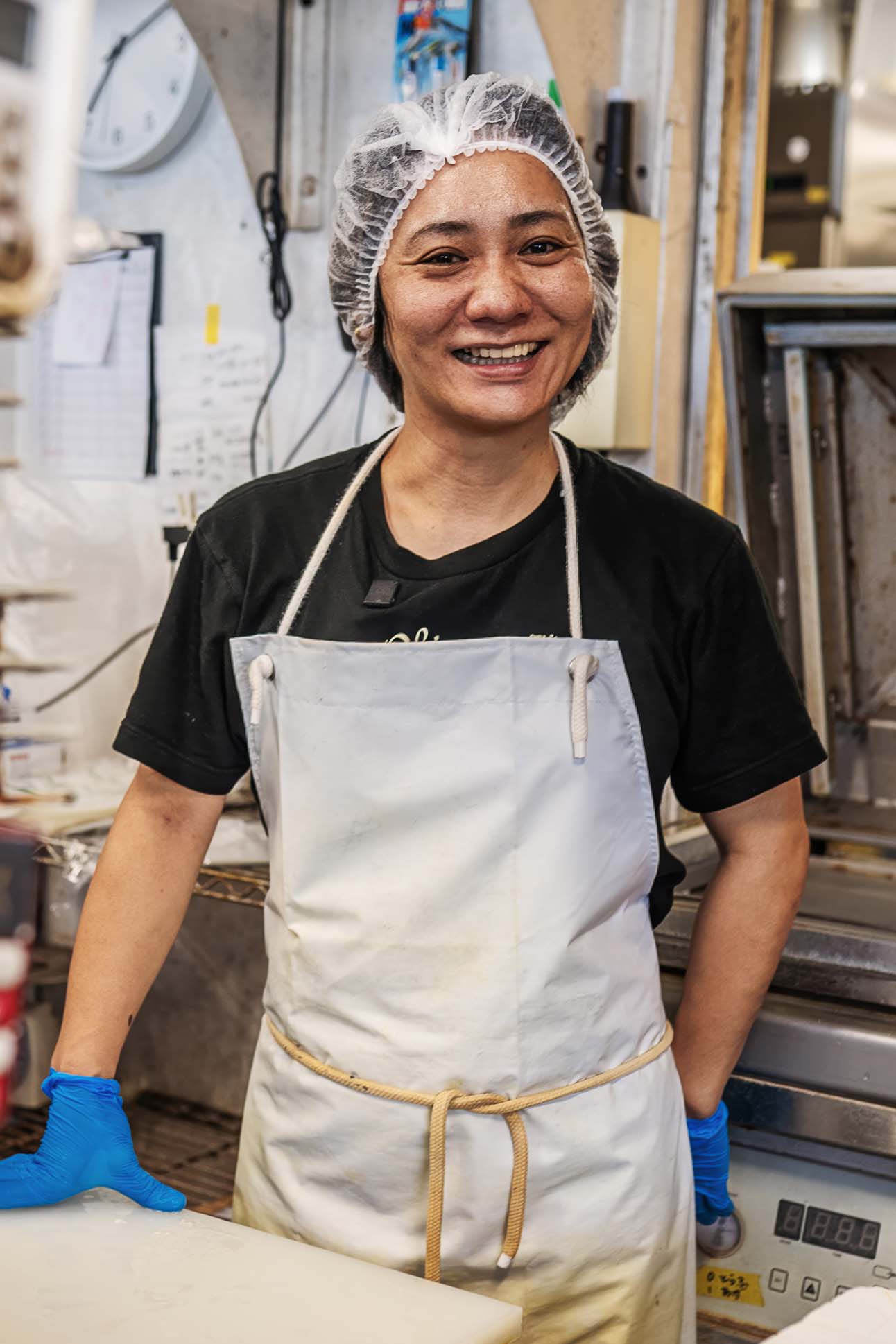
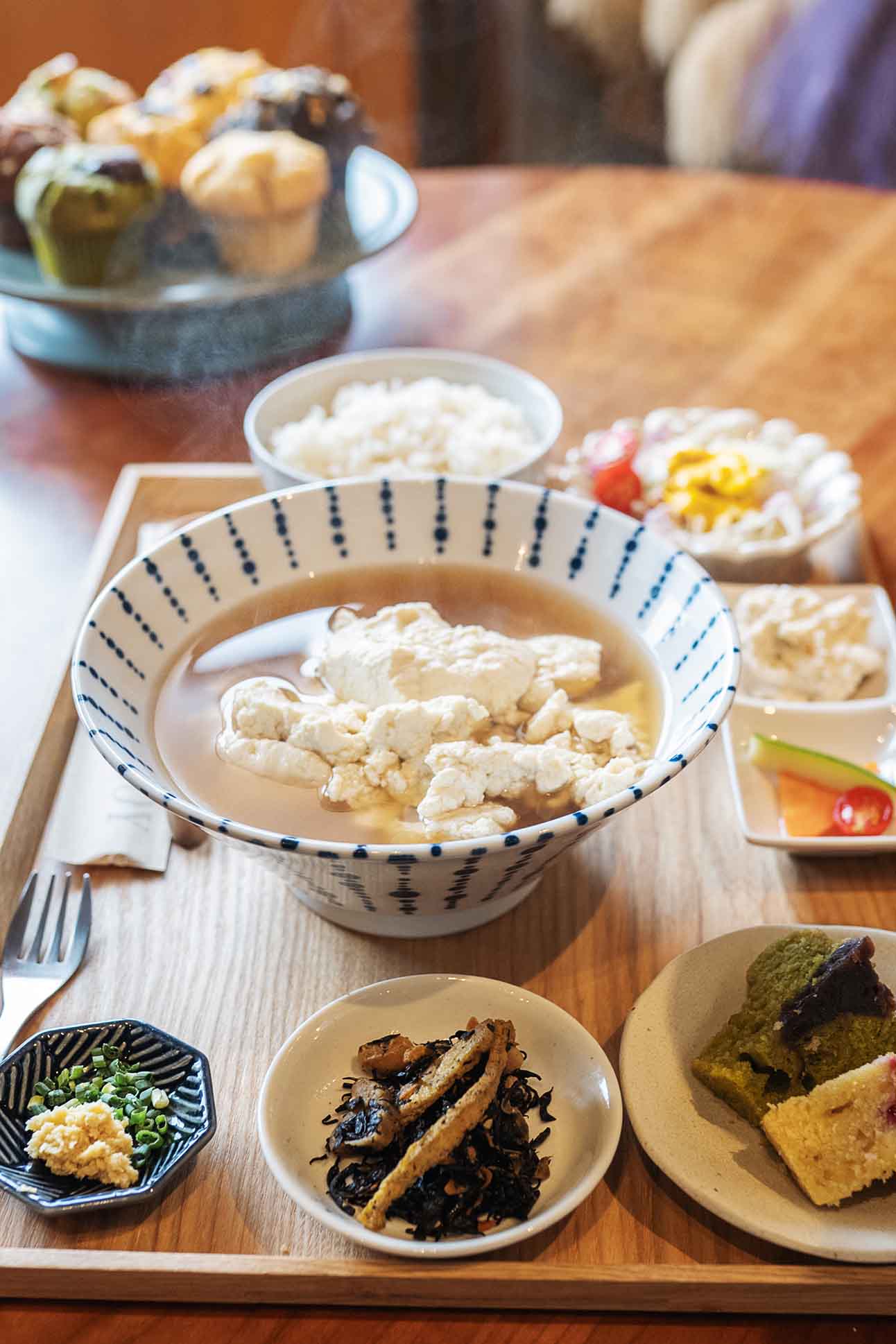
Though Japanese food safety regulations limit its sale in many retail settings, small-scale producers continue to make traditional yushi-dōfu, usually selling directly to customers. Today, Narimi has been seeing a revival of this beloved heritage dish—one that reflects the enduring spirit of achikōkō, the Okinawan custom of savoring foods hot and fresh from the source.
Around late morning, two women appear at the entrance of the factory. Having heard about Yamashiro Tofu through word of mouth, they’ve come seeking the family’s renowned yushi-dōfu. When Narimi tells them it won’t be ready for another hour, the women decide to wait, content to pass the time until it cools enough for her to sell it to them.
